.png)
Home

Resources
Resources
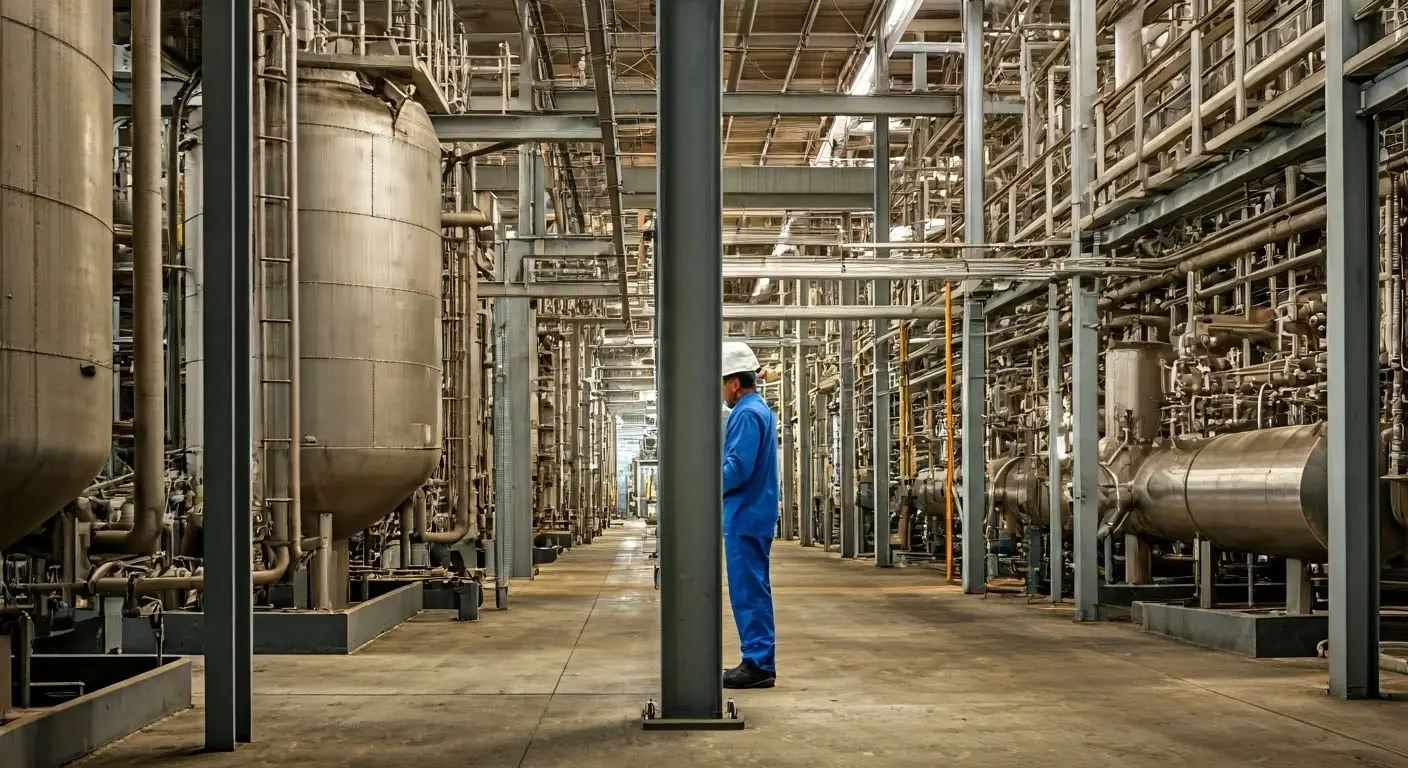
Understanding Refractory Materials
Explore the essentials of refractories and their applications.
Refractory materials are specialized ceramics that can withstand high temperatures and harsh conditions. They are crucial in industries such as steel, cement, and glass production, where they line furnaces, kilns, and reactors. Composed of various minerals, refractories are designed to resist thermal shock, chemical attack, and wear. Understanding their properties helps in selecting the right material for specific applications, ensuring safety and efficiency in high-heat processes. Proper installation and maintenance of refractories are vital for maximizing their lifespan and performance, making them a key component in industrial operations.
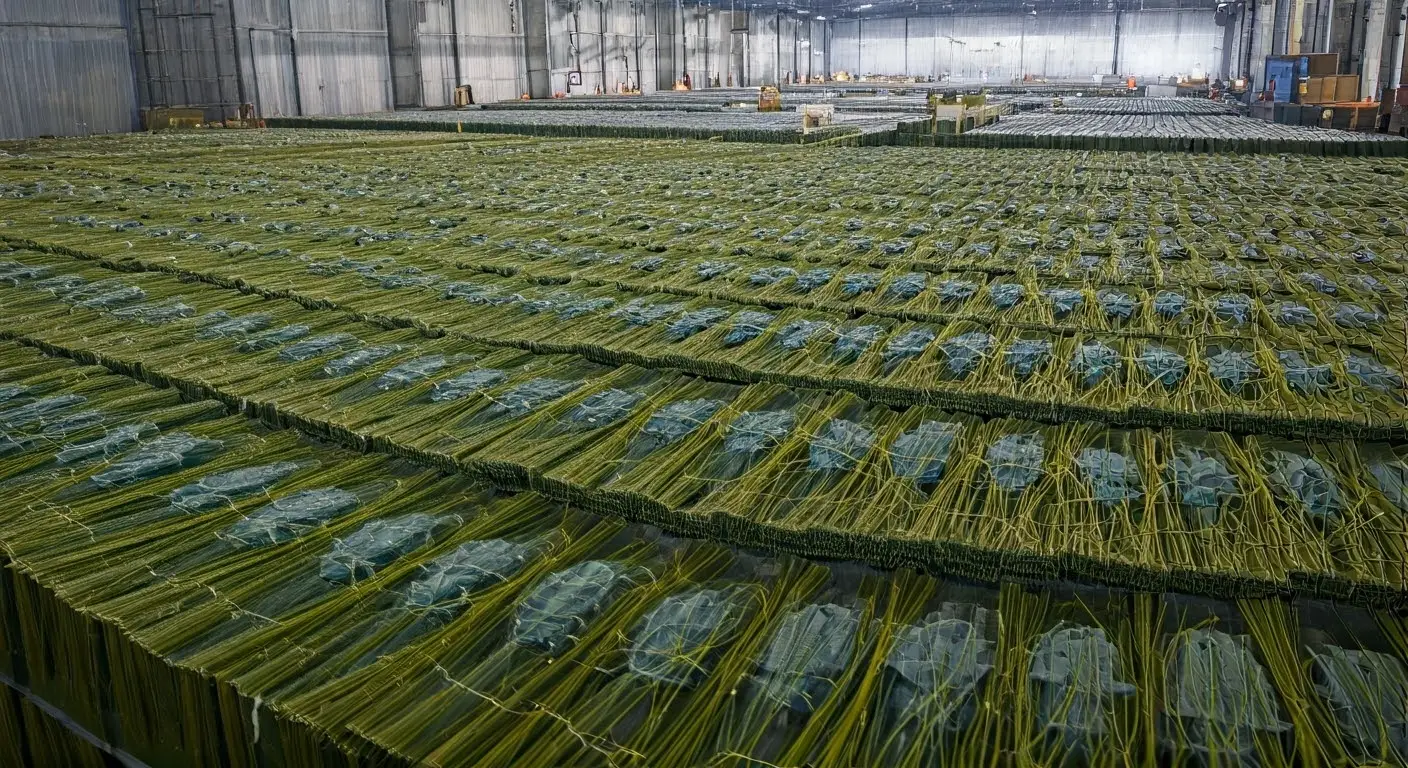
Types of Boiler Bed Materials
Learn about different boiler bed materials for optimal performance.
Boiler bed materials are essential for supporting combustion in various types of boilers. They serve as a bed for fuel and facilitate efficient burning. The three main types include CFBC (Circulating Fluidized Bed) materials, FBC (Fluidized Bed Combustion) materials, and AFBC (Atmospheric Fluidized Bed Combustion) materials. Each type has unique properties tailored to specific operational requirements, influencing combustion efficiency and emissions. Understanding these materials helps in selecting the right one for your boiler system, paving the way for enhanced performance and reduced operational costs.
Applications of Refractories in Industries
Discover how refractories are used across various sectors.
Refractories play a vital role in numerous industries, including metal production, cement manufacturing, and energy generation. In the steel industry, refractories line converters and ladles, ensuring safety and efficiency during high-temperature processes. Cement kilns utilize refractories to withstand extreme heat and chemical wear. Additionally, in power plants, refractories are essential for boiler operations, providing thermal insulation and protecting equipment. The versatility of refractories makes them indispensable in maintaining operational integrity and safety in high-heat environments across multiple sectors.
Choosing the Right Refractory Solution
Guidelines for selecting the best refractory for your needs.
Selecting the right refractory material involves considering various factors, including temperature resistance, chemical compatibility, and mechanical strength. Start by assessing the operating conditions of your application, such as maximum temperature and exposure to chemicals. Next, consider the thermal conductivity and durability of the refractory material. Additionally, installation and operational costs should be factored in to ensure a cost-effective solution. Consulting with experts in refractory materials can provide valuable insights, leading to informed decisions that enhance performance and longevity in high-heat applications.
Frequently Asked Questions
Get a Free Quote
Fill out the form to receive a personalized quote for our high-quality refractory products and services.